Industry
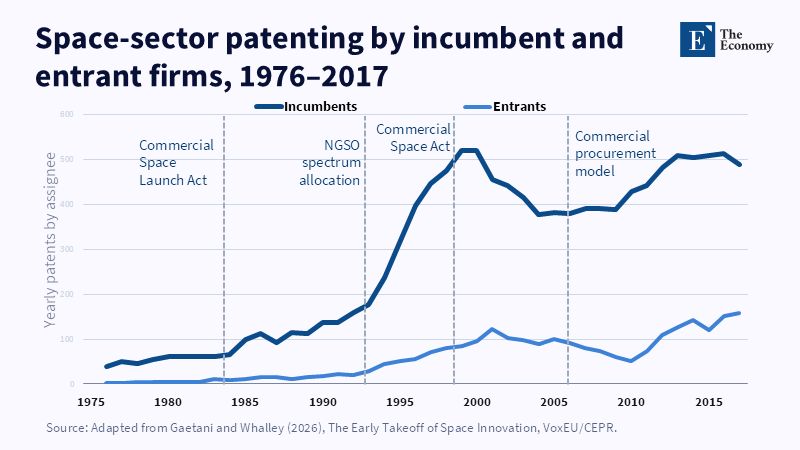
Entrants begin to matter when public rules and procurement make the space market credible. Related Articles: Space Innovation Funding Is the Missing H
Read More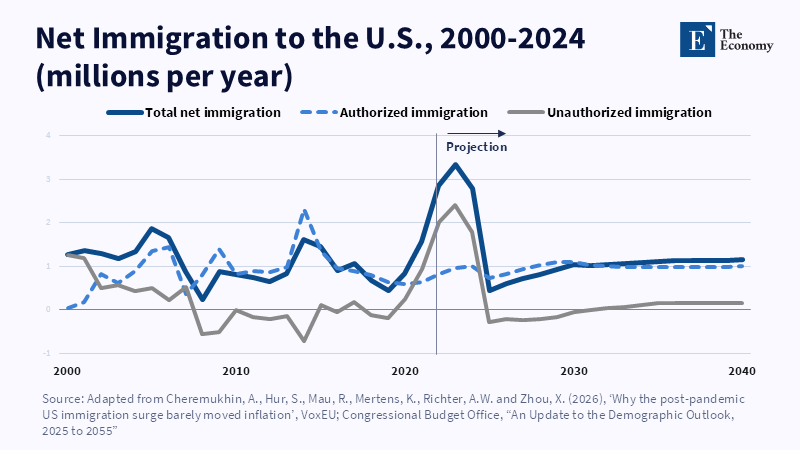
The immigration surge was large, but projections show it was not a permanent doubling of consumer demand.
Read More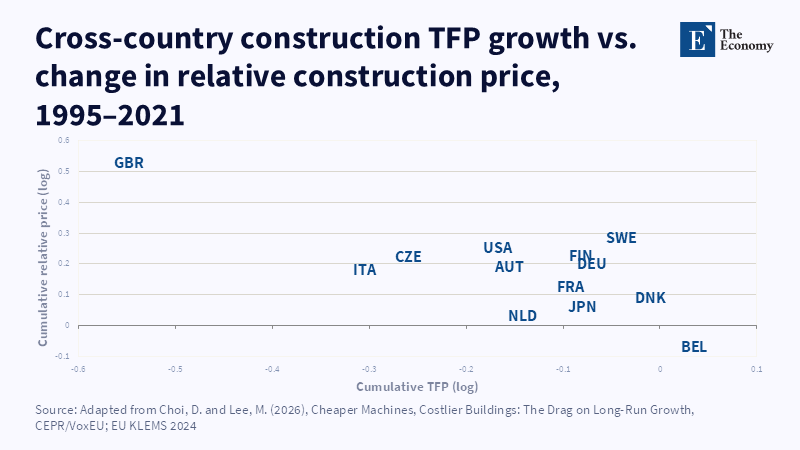
Across advanced economies, weaker construction TFP growth is associated with higher relative construction prices.
Read More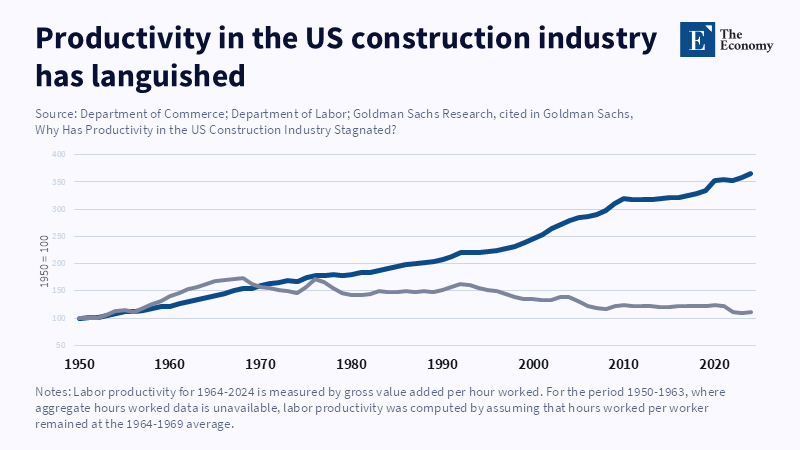
U.S. economy-wide labor productivity has risen sharply since 1950, while construction labor productivity has barely improved.
Read More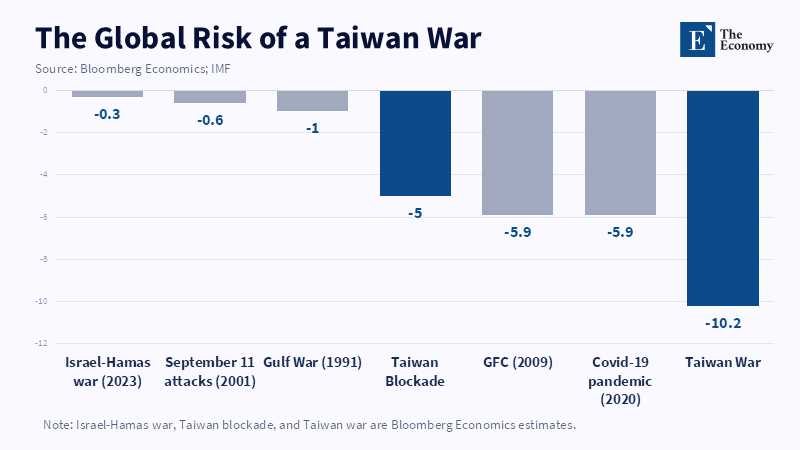
A Taiwan war would not be a regional shock.
Read More


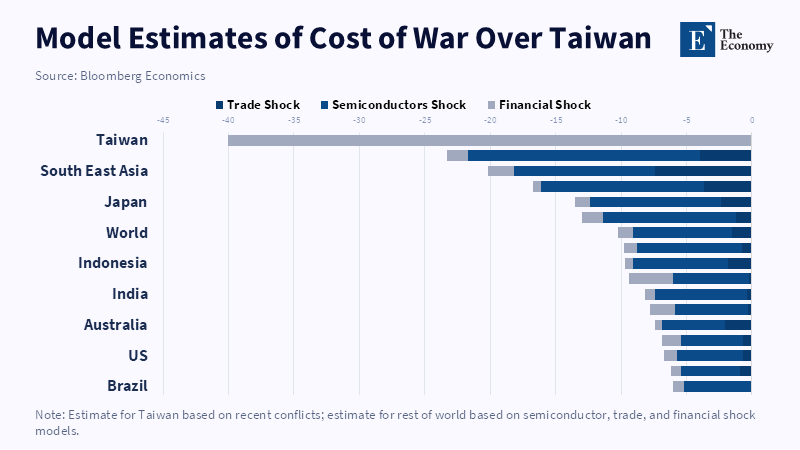
Japan’s exposure in a Taiwan war would come less from direct combat than from chips, trade disruption, and financial spillovers. Related Articles:
Read More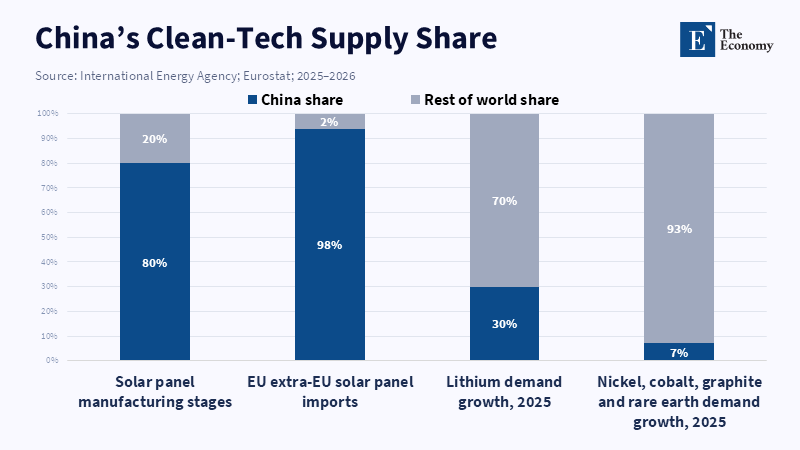
China’s clean-tech dominance shows why cheaper supply can become a strategic dependency problem for Europe. Related Articles: China’s Subsidy Mo
Read More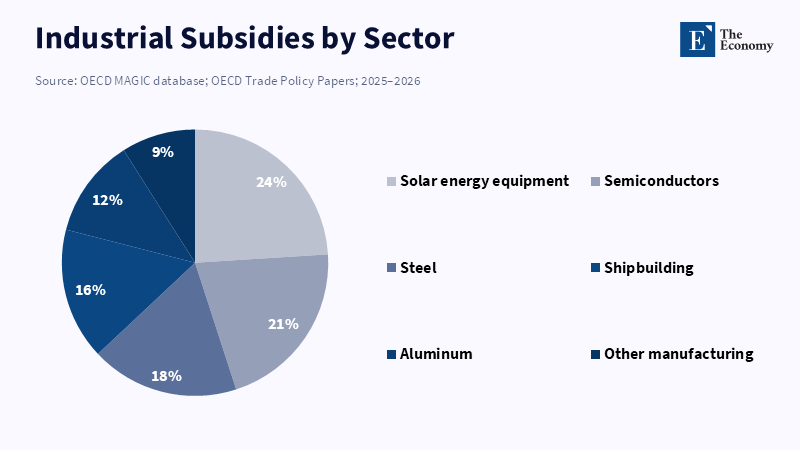
Subsidies are concentrated in sectors that now shape the next phase of industrial competition: solar, chips, steel, aluminium and shipbuilding. Related Articles:
Read More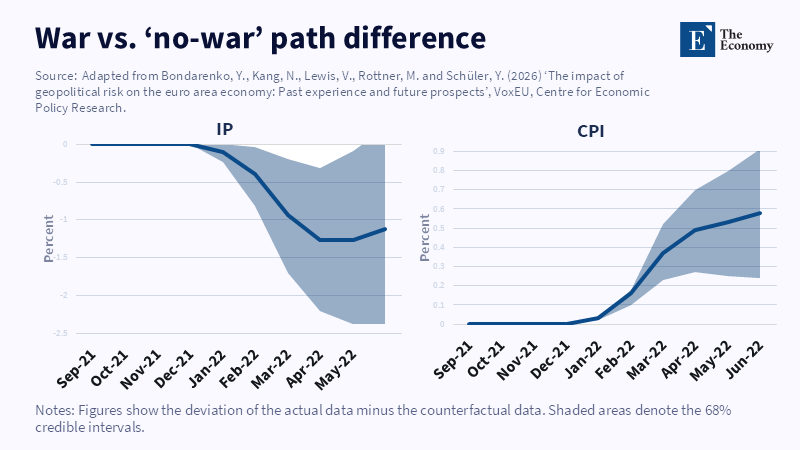
The rise in geopolitical risk following the outbreak of the Ukraine war is estimated to have weighed on eurozone industrial output while driving consumer prices higher. Related Articles:
Read More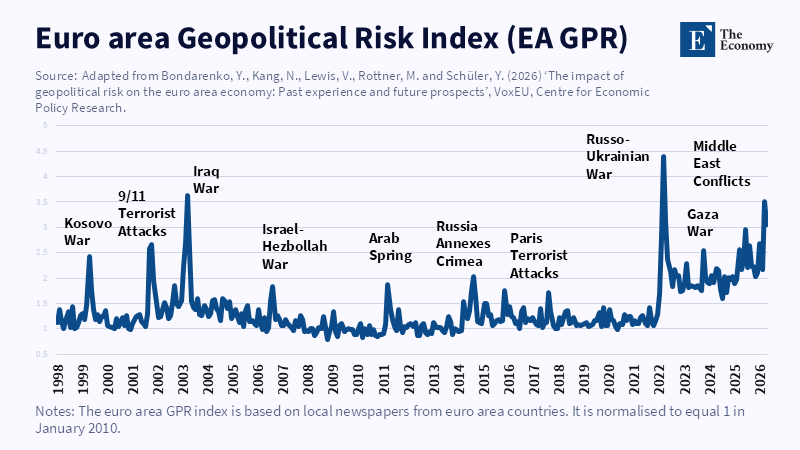
The euro-area GPR index shows why regional measurement matters: after 2022, Europe’s risk signal remained structurally higher than its pre-war norm. Related Articles:
Read More
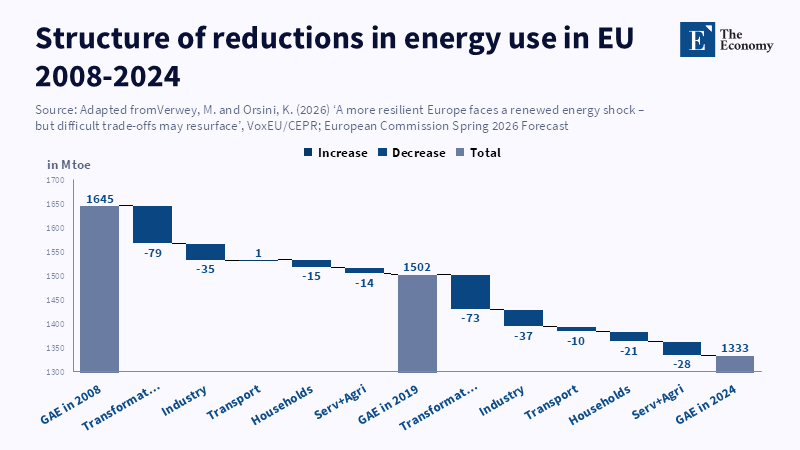
The fall in EU energy use shows adjustment and structural change, but not yet a full escape from imported fuel dependence. Related Articles: E
Read More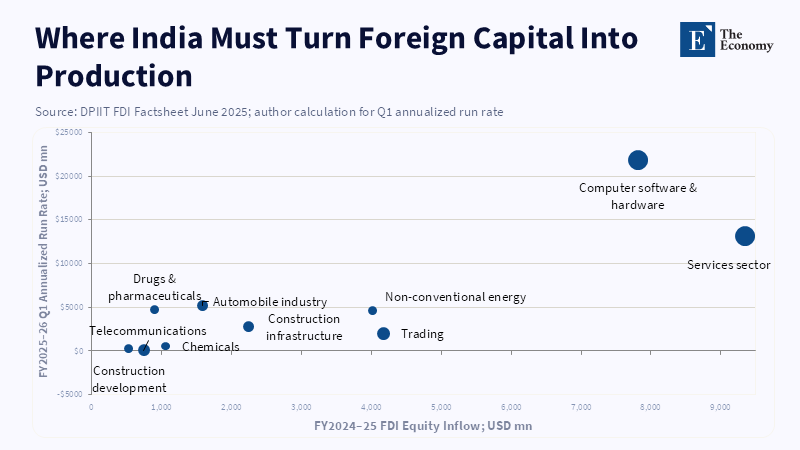
India’s real opportunity lies in sectors where fresh inflows, growth momentum, and long-term FDI depth can become production capacity. Related Articles:
Read More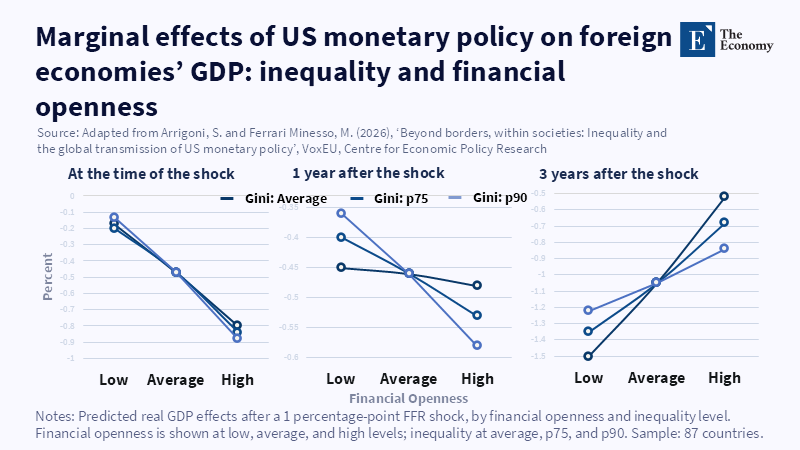
Financial openness changes the transmission channel: the same US shock can ease or deepen the GDP effect depending on inequality and market exposure. Related Articles:
Read More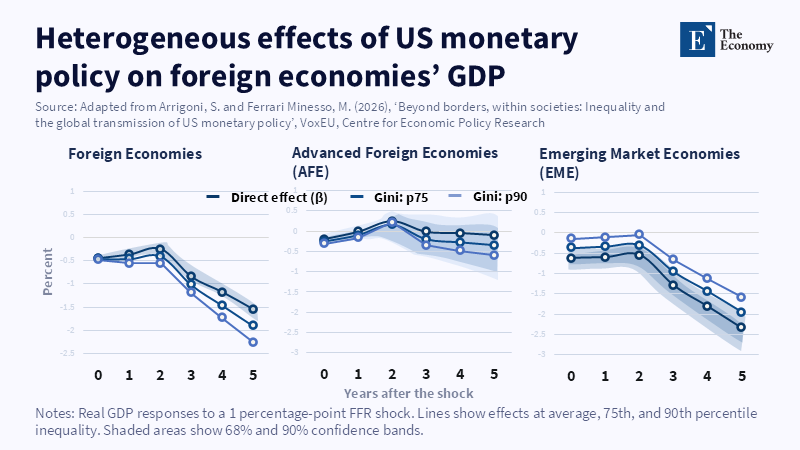
One US rate shock produces very different GDP losses across foreign economies, with emerging markets showing the sharpest delayed decline. Related Articles:
Read More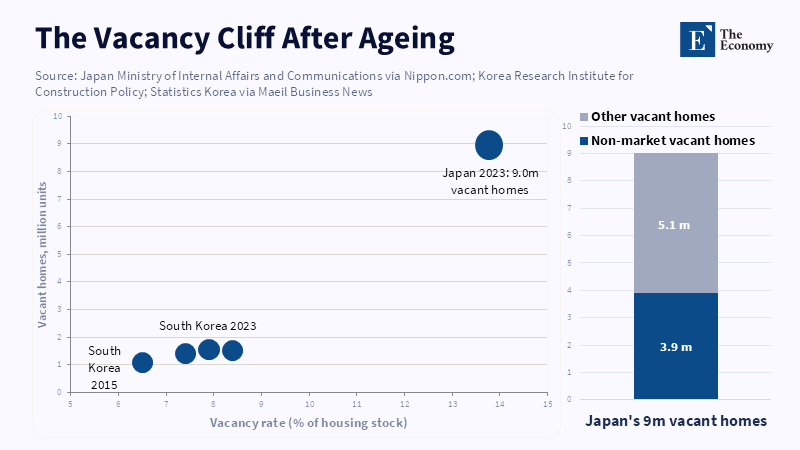
Japan and South Korea show Thailand’s next risk: housing can move from scarce urban asset to stranded local burden once ageing and low births reshape demand. Related Articles:
Read More
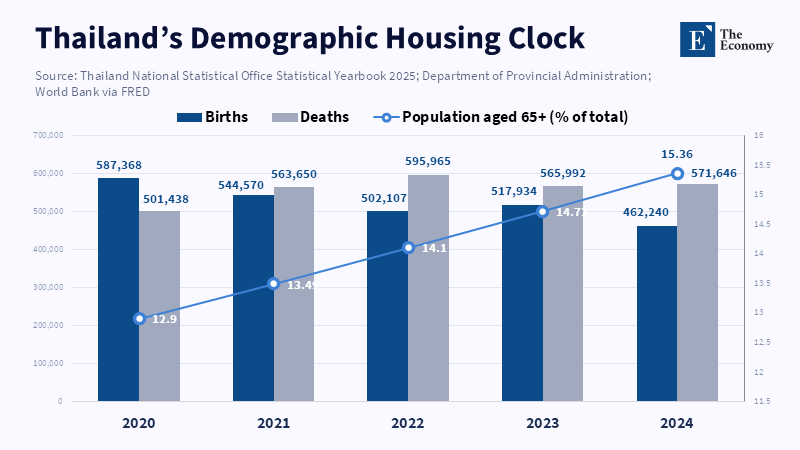
Thailand’s housing pressure is not easing yet: deaths now exceed births, while ageing keeps older-owned homes locked in place and delays any relief in city markets. Related Articles:
Read More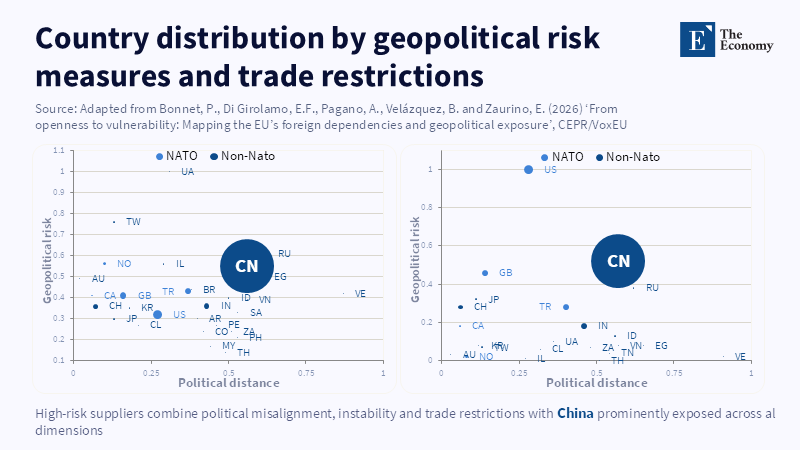
Dependency becomes strategic risk when product concentration overlaps with political distance, instability and trade restrictions.
Read More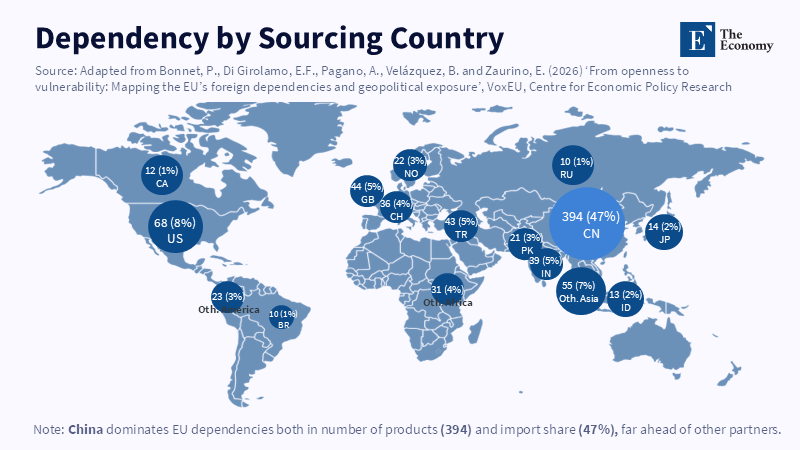
China is not one supplier among many.
Read More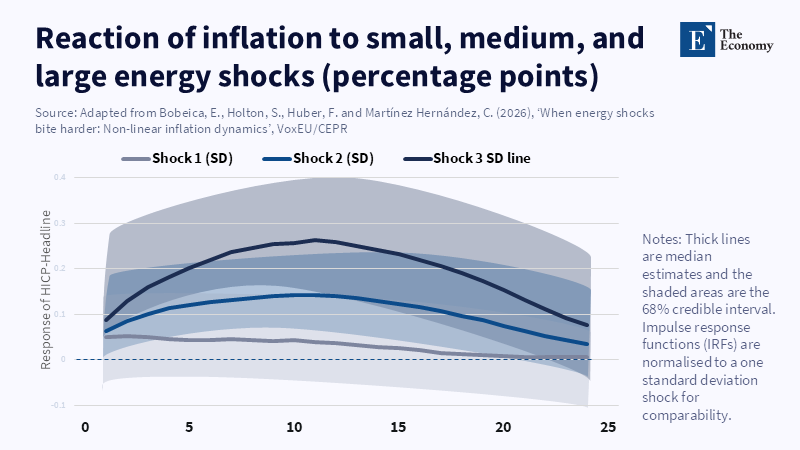
Large energy shocks do not simply produce larger effects; they bend the inflation response upward and make pass-through more persistent.
Read More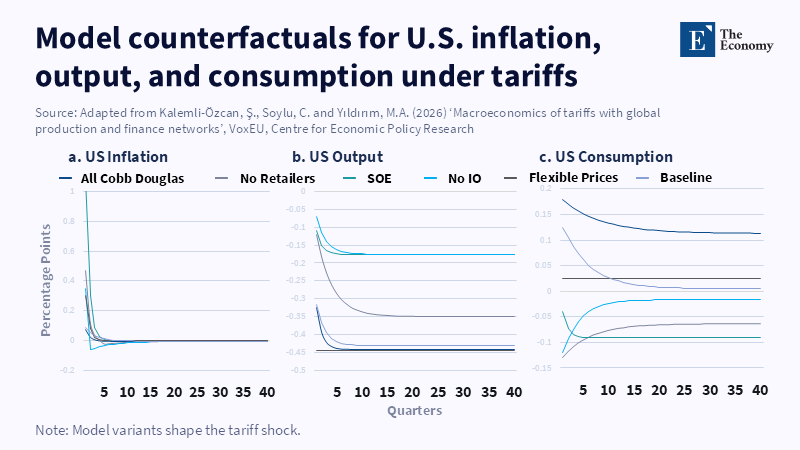
Tariffs become stagflationary when the shock passes through production networks, prices, output, and consumption at once.
Read More